 Laser Cladding Phương Đông
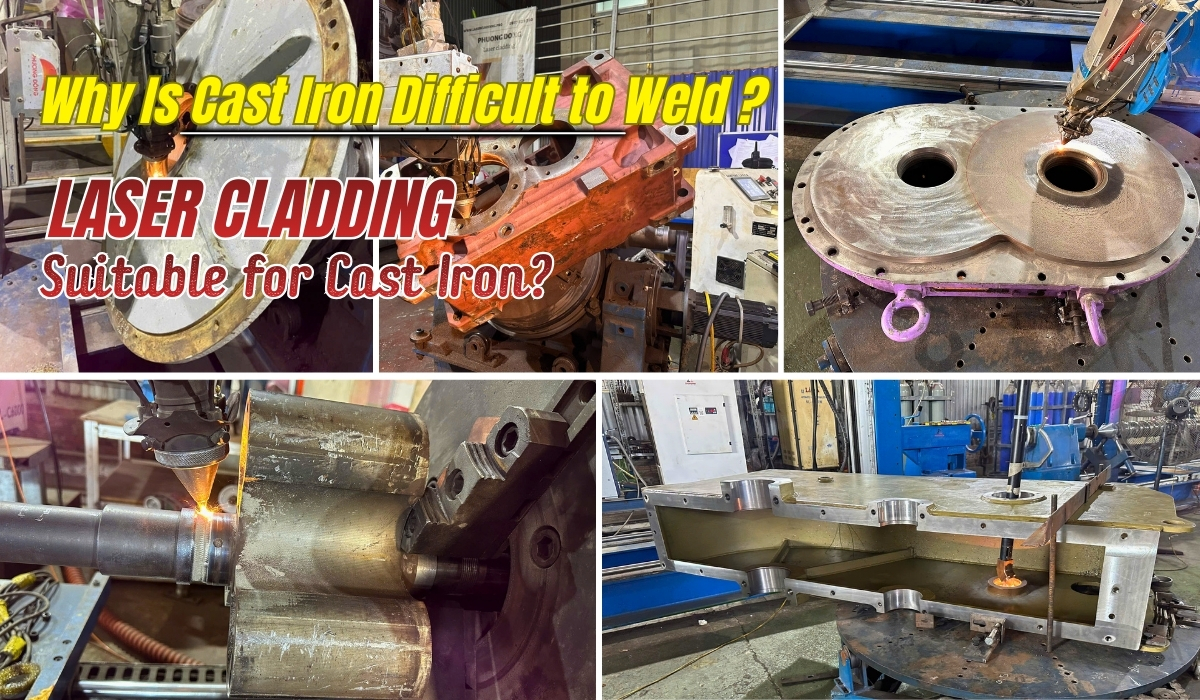
Cast iron is widely used in industry to manufacture machine bodies, pump housings, shafts, and wear-resistant components. However, when cast iron parts crack or wear out, repair is often more difficult than for steel. In practice, welding cast iron is considered one of the most challenging tasks in mechanical repair.
In many cases, Laser Cladding technology has become an effective solution for restoring cast iron components with higher reliability and durability compared to conventional welding methods.
Why Is Cast Iron Difficult to Weld?
Cast iron can be welded, but the process is complex due to its high carbon content and brittle structure. When exposed to high temperatures during welding, cast iron easily develops thermal stress that can cause cracking in the weld or in the surrounding material.
Some common difficulties when welding cast iron include:
- Cast iron is highly prone to cracking during heating and cooling
- Weld metal can become brittle and unstable
- Large heat-affected zones reduce material strength
- Risk of cracking again during service
In addition, cast iron welding usually requires specialized welding materials such as nickel-based electrodes or alloy powders to reduce cracking and improve weld strength. These materials are typically more expensive than standard welding consumables.
The welding process also requires high technical skill and experience, including:
- Preheating before welding
- Temperature control during welding
- Proper heat input
- Slow cooling after welding
For large cast iron components, heating the entire part is often difficult and costly. Therefore, traditional welding methods for cast iron always involve significant risks.
Can Laser Cladding Repair Cast Iron?
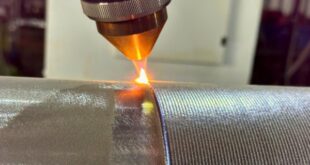
Laser Cladding can effectively restore cast iron components. This technology uses a high-power laser beam to melt metal powder and create a metallurgical bond directly with the cast iron surface, resulting in a strong and durable coating layer.
Thanks to precise heat control, Laser Cladding is particularly suitable for difficult-to-weld materials such as cast iron.
Why Is Laser Cladding Suitable for Cast Iron?
Compared with conventional arc welding, Laser Cladding offers several advantages when repairing cast iron components.
- Low and concentrated heat input
The laser melts only a thin surface layer, resulting in a very small heat-affected zone. This significantly reduces the risk of cracking — a common problem in cast iron welding. - Minimal distortion
Because heat is applied locally, cast iron components experience much less deformation compared with conventional welding methods. - No need to heat the entire component
In many cases, only local preheating is required, or full preheating is unnecessary. This helps reduce both time and cost. - Precise and durable restoration
The laser clad layer forms a strong metallurgical bond with the cast iron substrate, ensuring long-term operational stability.
Because of these advantages, Laser Cladding is often an ideal solution for restoring large or high-value cast iron components.
Requirements for Laser Cladding on Cast Iron
Although Laser Cladding is suitable for cast iron, achieving high-quality results still requires specialized materials and technical expertise.
– Specialized Powder Materials
Cast iron repair requires dedicated alloy powders, typically nickel-based or specially formulated alloys, to ensure good bonding and crack resistance.
Selecting the correct powder material is critical to achieving stable and durable repair results.
– Proper Process Parameters
Successful Laser Cladding on cast iron requires properly optimized parameters such as:
- Laser power
- Cladding speed
- Powder feed rate
- Heat input
Improper parameters may still result in cracking or poor coating quality.
– Technical Experience
Laser Cladding on cast iron requires practical experience and skilled technicians.
Material evaluation, powder selection, and parameter optimization are critical factors that determine repair quality. Therefore, not all service providers are capable of restoring cast iron components effectively using Laser Cladding.
Actual Cast Iron Repair by Laser Cladding at Phuong Dong
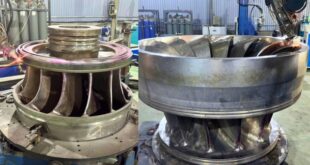
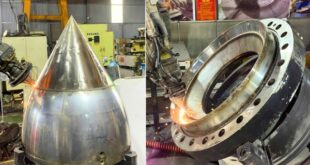
Phuong Dong has successfully restored many cast iron components using Laser Cladding technology such as: Cast Iron Flanges, Shaft, Gearbox housings, Compressor components…

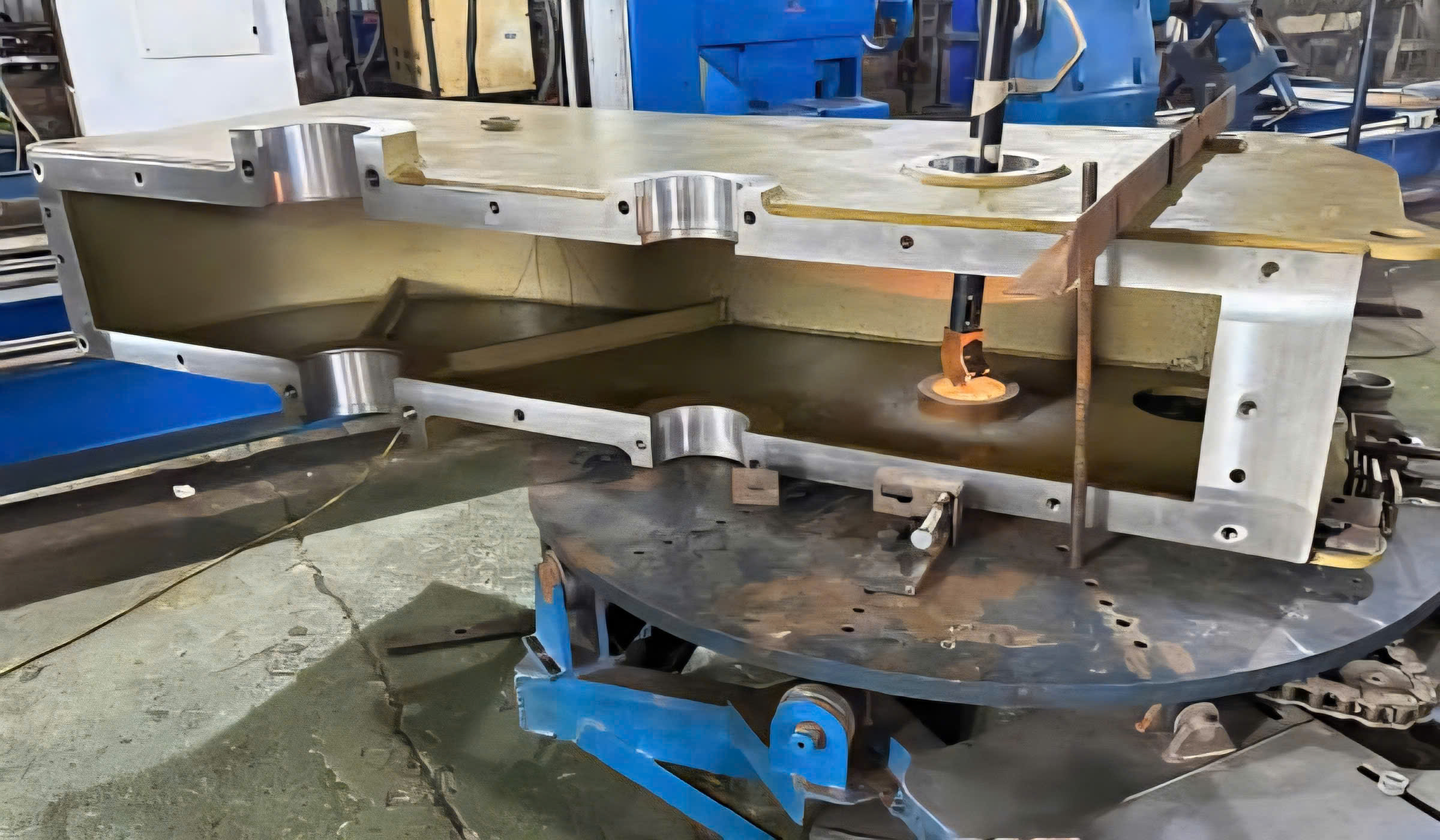


Laser Cladding enables restored cast iron parts to achieve high durability and stable performance in industrial environments.
Conclusion
Welding cast iron is challenging because the material is prone to cracking and requires specialized consumables and advanced techniques. Traditional welding methods often involve significant risks and costs.
With precise heat control and strong metallurgical bonding, Laser Cladding is an effective solution for repairing cast iron components, especially when specialized powders and experienced engineers are used.
Contact us for consultation and quotation:
PHUONG DONG INDUSTRIAL AND TRADING CO., LTD
Address: Alley 107, Ga Dong Anh Street, Group 8, Thu Lam Commune, Hanoi, Vietnam
Phone/Zalo: +84 987 822 360